Bees, beyond the hive.
Honeybees, yes. But also bumblebees, mason bees, sweat bees, a bee that lines its nest with polyester, and one so small you could lose it on a fingernail. Every fact traced to a source, plus games and an eraser called Useless, who has finally been given the day shift.
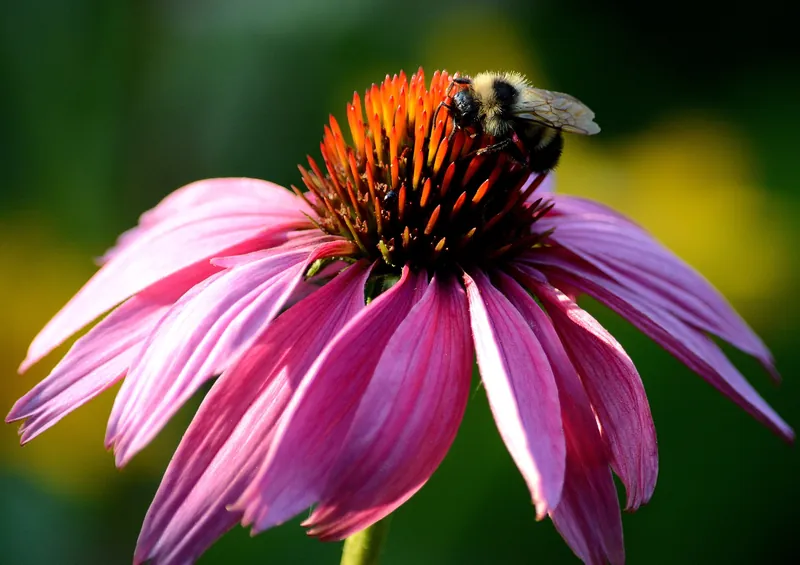
The short version
There are over 20,000 known bee species in the world, and about 4,000 of them are native to the United States. USGS Over 90% of bee species, including mason bees, carpenter bees, leafcutter bees and sweat bees, are solitary. Wikipedia
So when people say “save the bees”, most of the bees in question don’t live in hives, don’t make honey and will never meet a beekeeper. About 70% of native bees nest in the ground; most of the rest use tunnels in wood or stems. Xerces Society
They matter enormously. About 75% of the world's food crop types depend at least partly on pollinators. FAO Over 80% of wild flowering plant species are pollinated by animals, mostly insects. FAO
And many are in trouble. In Europe, 9.2% of the 1,965 wild bee species assessed are threatened with extinction. IUCN The good news: a garden, a balcony box or a school field can genuinely help.
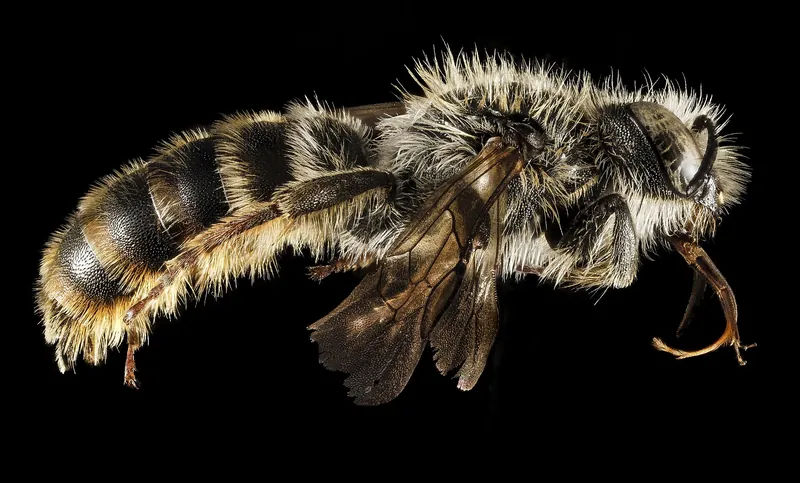
Start somewhere
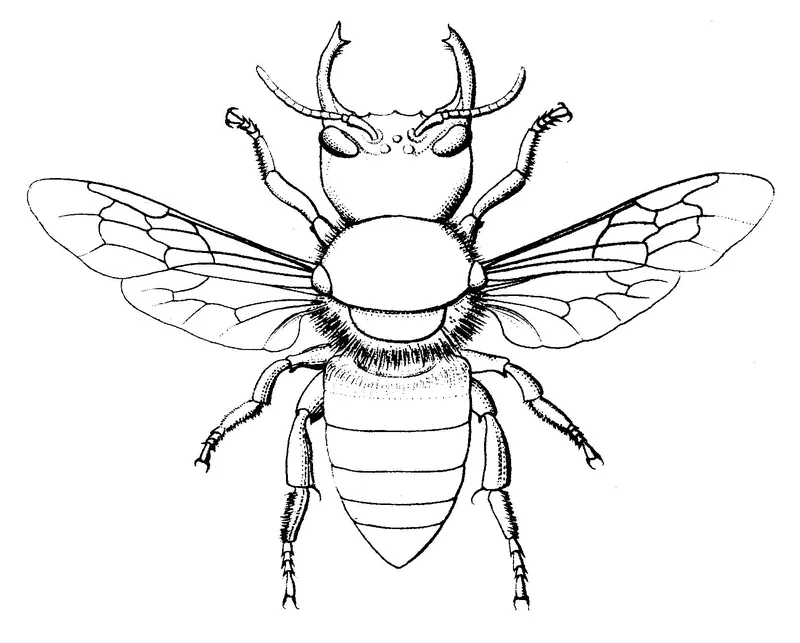
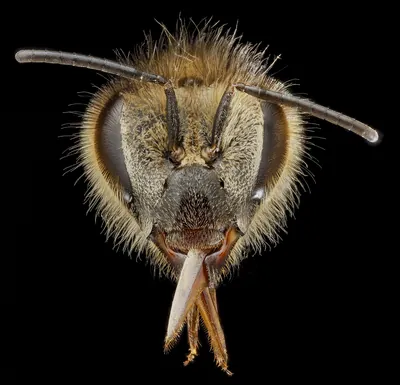 AnatomyFive eyes, four wings, two antennae and a sting that’s really an egg-laying tube.
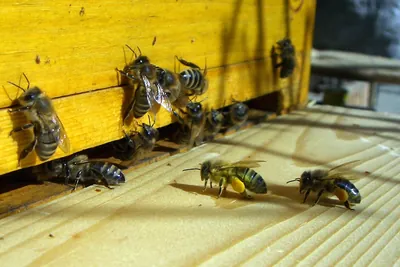 The waggle danceDirections to lunch, in a figure of eight, relative to the sun.
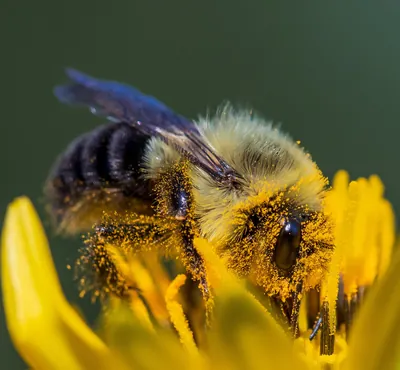 BumblebeesFurry, warm-blooded-ish and no honey whatsoever.
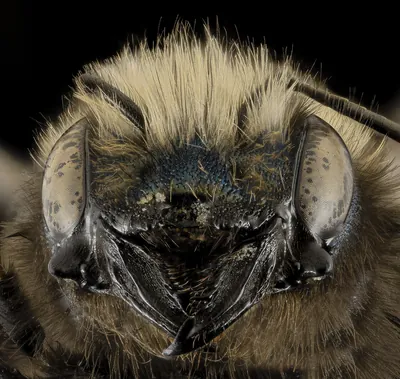 Solitary beesNine in ten bee species live alone. Most of them nest in the ground.
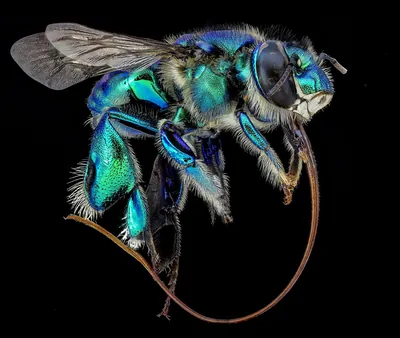 Bees of the worldFrom a 2 mm fairy bee to a giant the length of your thumb.
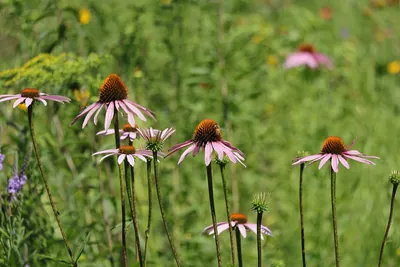 A bee-friendly gardenFlowers of every shape, a bare patch and a bit less mowing.
Tile photos are credited on their pages and on the credits page.
Things to do instead of foraging
- Buzz or Bust?Twenty questions, ten at a time. Every answer comes with its source.
- Waggle Dance DecoderRead a honey bee’s dance and fly to the right flowers. The sun moves, so pay attention.
- Flower ConstancyBe a bee: carry pollen to the right flowers, and mind the smelly footprints.
- Specimen PairsA memory game: match each bee photo to its name.
The biggest bee in the world
Wallace's giant bee is the world's largest bee, with a wingspan of about 63.5 mm (2.5 in). Wikipedia Lost to science since 1981, it was rediscovered in the North Moluccas, Indonesia, in January 2019. University of Sydney Forest clearance threatens Wallace's giant bee, which the IUCN lists as Vulnerable. Wikipedia
And the smallest
Perdita minima is known as the world's smallest bee, at about 2 mm long. USGS See it and 23 others in bees of the world.
Enjoying the bees? Help keep the lights on.
This site is hand-built, fact-checked and free to read. If a fact, a game or one of Useless’s notes made you smile, a little support keeps it going and helps the network grow.
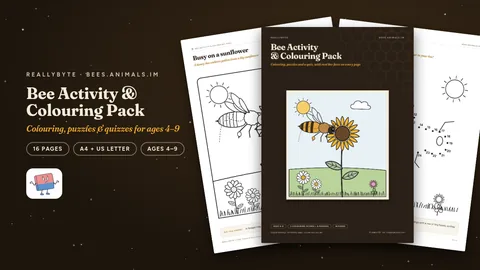
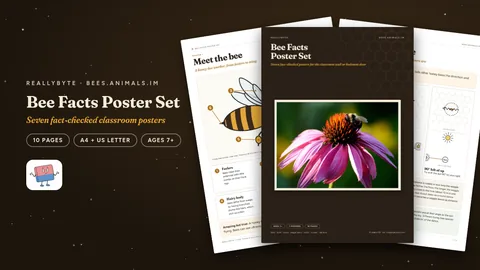
Bee printables
Fact-checked PDFs in A4 and US Letter.
Bee-Friendly Garden Action Pack
Garden bee survey, planting planner, bee hotel guide and certificate
Bee Life Cycle & Anatomy Worksheets
Labelling, life cycles, castes, waggle dance and quiz, with keys
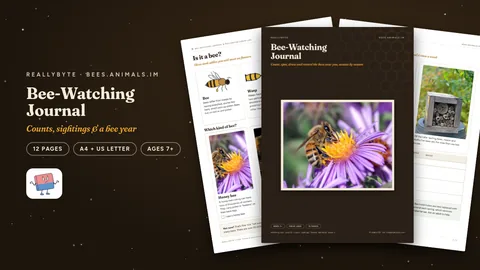
Bee-Watching Journal & Pollinator Count Log
Ten-minute flower counts, sightings log and seasonal journal
 Best value
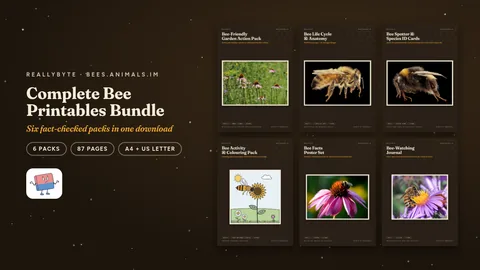
The Complete Bee Printables Bundle
All six packs, A4 and US Letter. Everything above in one download.