Bees of the world: a specimen drawer
Twenty-four bees from six continents, out of more than twenty thousand. Labelled and fact-checked. Most of the photos show real museum specimens from the USGS bee lab.
There are over 20,000 known bee species in the world, and about 4,000 of them are native to the United States. USGS Bees are grouped into seven recognised families. Wikipedia The sweat bee genus Lasioglossum is the largest bee genus, with over 1,800 species. Wikipedia
Bees probably appeared in the Early Cretaceous, around 124 million years ago, on the supercontinent of West Gondwana. Wikipedia The oldest bee fossil in amber is Cretotrigona prisca, about 70 million years old, found in New Jersey. Wikipedia Some of the oldest pictures of bees are rock paintings in Spain dated to about 15,000 BC. Wikipedia
Honey bees
The genus Apis: permanent colonies, wax comb and honey.
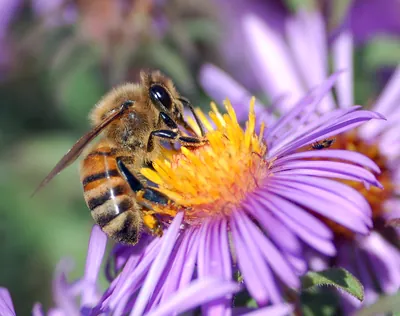 No. 01Western honey beeApis melliferaNative to Europe, Africa and the Middle East; kept by beekeepers on every continent except Antarctica
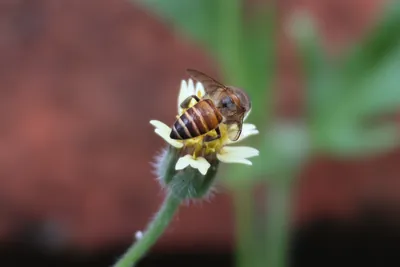 No. 02Eastern honey beeApis ceranaSouth, South-east and East Asia
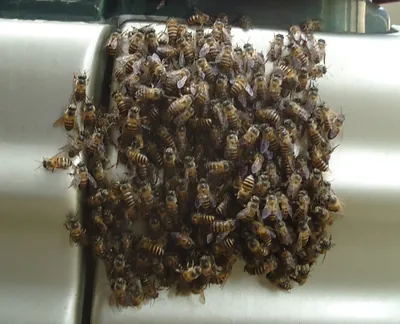 No. 03Black-banded honey beeApis nigrocinctaMindanao (Philippines) and Sulawesi and Sangihe (Indonesia)
Bumblebees
The genus Bombus: big, furry and mostly from cooler places.
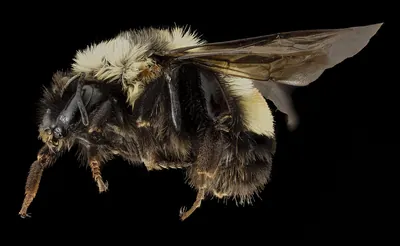 No. 04Rusty patched bumble beeBombus affinisEastern and Midwest USA and southern Ontario
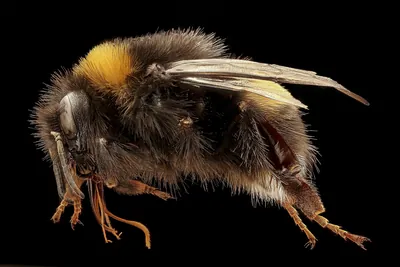 No. 05Buff-tailed bumblebeeBombus terrestrisEurope, North Africa and western Asia; introduced to New Zealand, Tasmania, Chile and Argentina
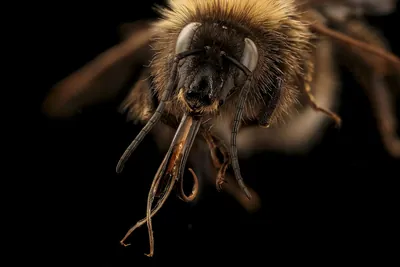 No. 06Garden bumblebeeBombus hortorumEurope and northern Asia; introduced to New Zealand
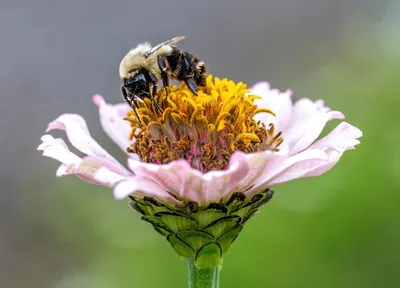 No. 07Common eastern bumble beeBombus impatiensEastern North America
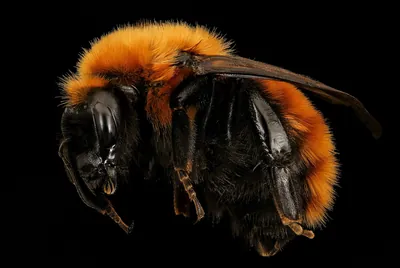 No. 08Patagonian giant bumblebeeBombus dahlbomiiSouthern Chile and Argentina
Solitary bees
The great majority of bees: one female, one nest. Plus the cuckoos that borrow them.
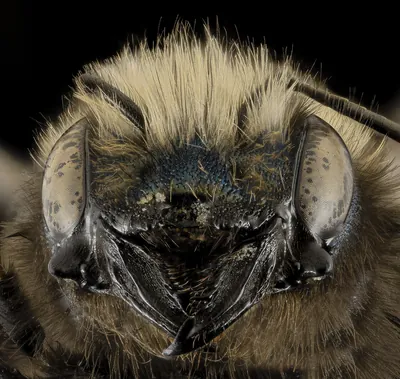 No. 09Blue orchard beeOsmia lignariaNorth America
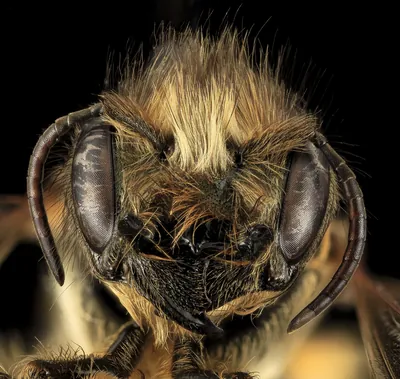 No. 10Horned-face beeOsmia cornifronsJapan, Korea, China and Russia; introduced to the north-eastern USA
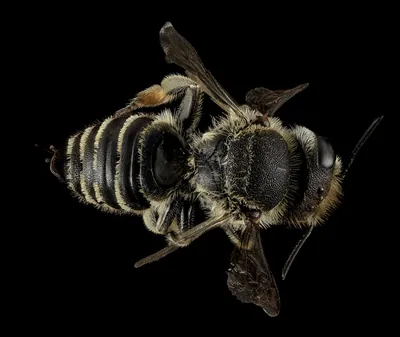 No. 11Alfalfa leafcutter beeMegachile rotundataEurope; introduced to North America, New Zealand and Australia
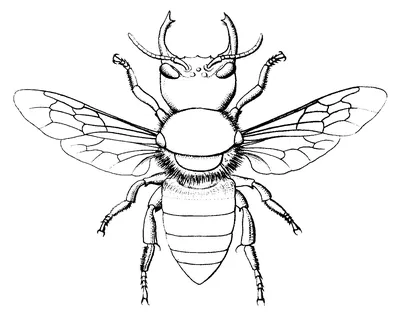 No. 12Wallace's giant beeMegachile plutoNorth Moluccas, Indonesia
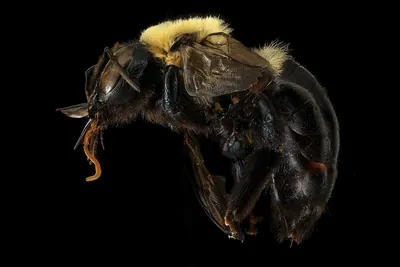 No. 13Eastern carpenter beeXylocopa virginicaEastern USA and southern Canada
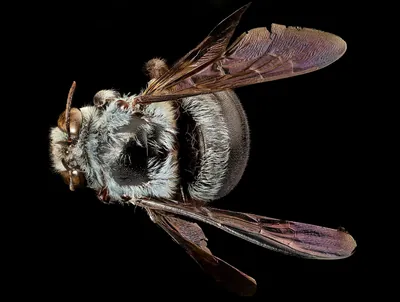 No. 14Blue carpenter beeXylocopa caeruleaSouth-east Asia, India and southern China
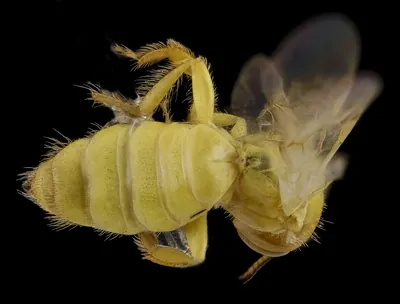 No. 15Least fairy beePerdita minimaSouth-west USA
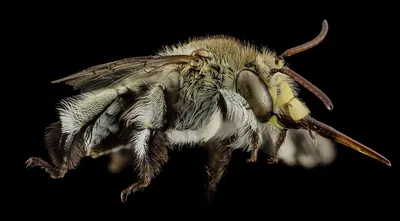 No. 16Blue-banded beesAmegillaAfrica, Asia and Australia
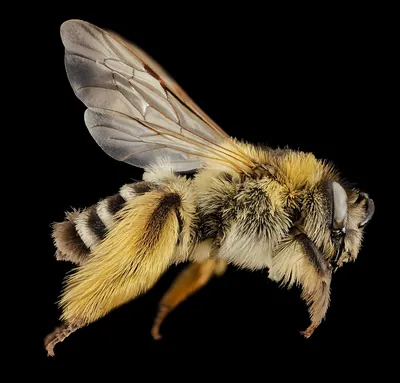 No. 17Pantaloon beeDasypoda hirtipesGreat Britain to China
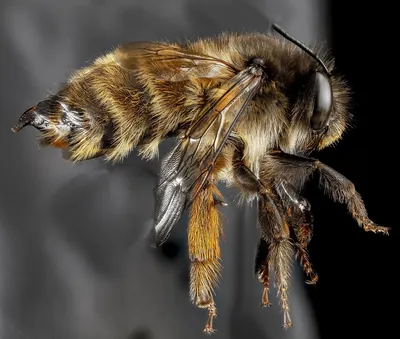 No. 18Hairy-footed flower beeAnthophora plumipesEurope and Asia, Britain to Japan; introduced to the USA
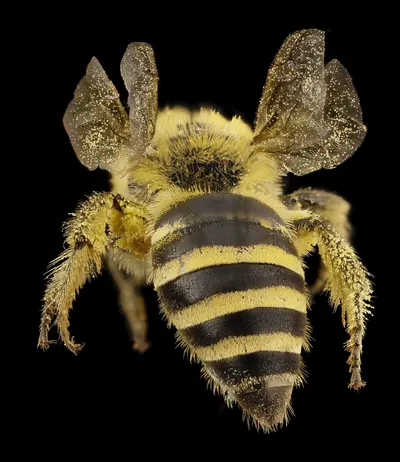 No. 19Ivy beeColletes hederaeEurope, including southern England, Wales and Ireland
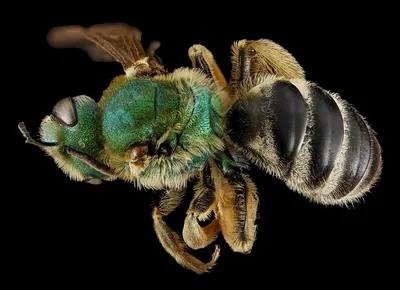 No. 20Green sweat beesAgapostemonThe Americas
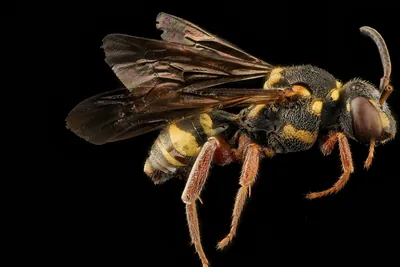 No. 21Nomad beesNomadaWorldwide
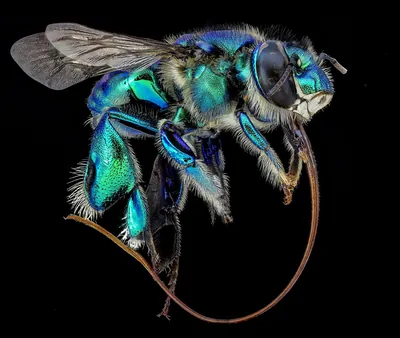 No. 22Imperial orchid beeEuglossa imperialisCentral and South America
Stingless bees
Tropical social bees whose stings are too small to use. They still make honey.
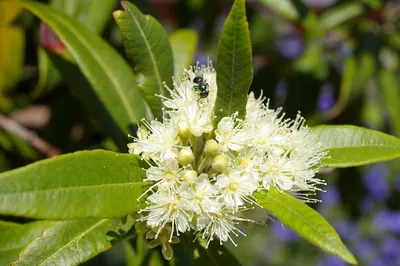
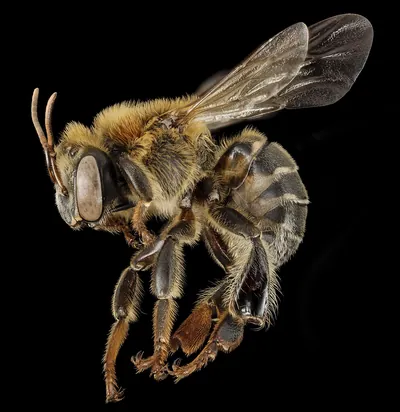
Most of these photos come from the USGS Native Bee Inventory and Monitoring Lab, which photographs specimens for identification and releases them into the public domain. Each species’ fact links to its source.