The honest state of things
Some bees are doing fine. Many aren’t, and for a lot of them nobody knows yet.
Europe
In Europe, 9.2% of the 1,965 wild bee species assessed are threatened with extinction. IUCN For 56.7% of European bee species, there wasn't enough data to judge their status. IUCN Nearly a quarter (25.8%) of Europe's bumblebee species are threatened. IUCN The IUCN assessed the western honey bee in Europe as Data Deficient. IUCN
What’s going wrong
The UK has lost 97% of its wildflower meadows in the last century; habitat loss is the main driver of bumblebee declines. BBCT Bumblebee declines have been caused by habitat loss, the mechanisation of farming and pesticides. Wikipedia
In 2018 the EU banned the three main neonicotinoid pesticides for all outdoor uses, after a review found risks to wild bees and honeybees. Wikipedia
The yellow-legged (Asian) hornet, which eats bees, arrived in France in about 2004 and has spread across much of Europe. Wikipedia
Honey bees
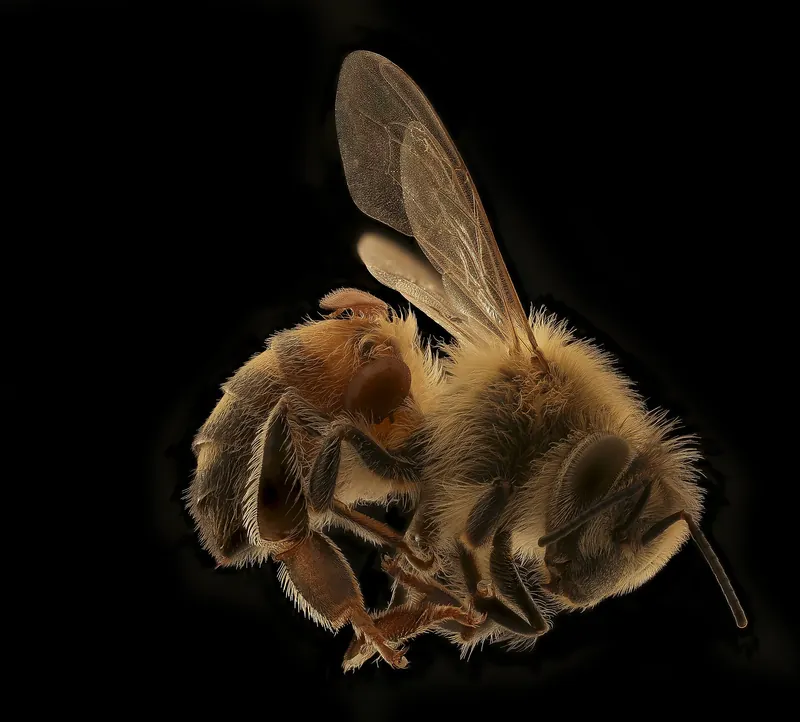
Varroa mites are arguably the biggest threat to honey bees in the United States. Wikipedia Colony collapse disorder is when most of a honey bee colony's workers vanish, leaving the queen, plenty of food and a few nurse bees. Wikipedia
Around the world
North America. The rusty patched bumble bee became the first bee listed as endangered in the continental United States, in January 2017. Wikipedia Its numbers have declined in 87% of its historic range. Wikipedia It is one of about 21 bumble bee species in the eastern United States. USFWS
Britain. The short-haired bumblebee was declared extinct in the UK in 2000; a reintroduction project in Kent began in 2009. BBCT
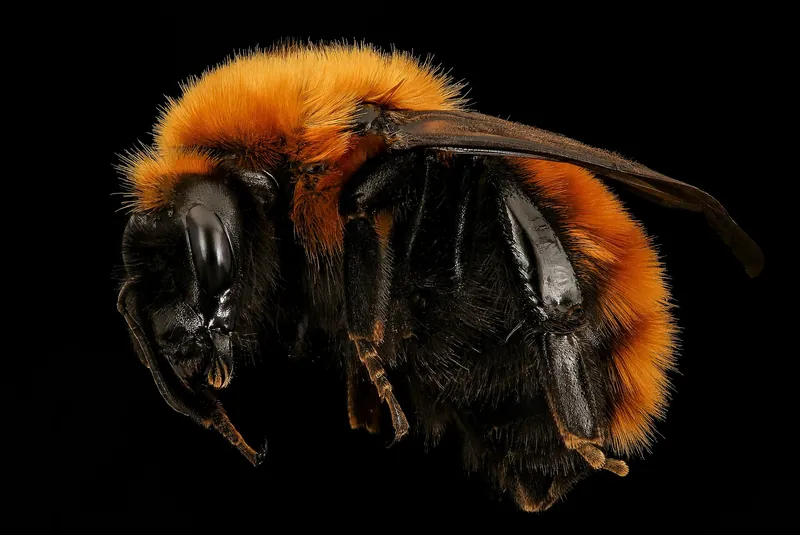
South America. The Patagonian giant bumblebee has declined since European bumblebees were brought to Chile as commercial pollinators. Wikipedia The Patagonian giant bumblebee is one of the largest bumblebees, with queens up to about 4 cm long. It's nicknamed the "flying mouse". Wikipedia
Indonesia. Forest clearance threatens Wallace's giant bee, which the IUCN lists as Vulnerable. Wikipedia
What helps
Lots of small things, done by lots of people. Start with a bee-friendly garden, and support the people doing the research and conservation work, such as the Bumblebee Conservation Trust in the UK and the Xerces Society in the USA.